PROJECT OVERVIEW
An AI-powered news writing tool to streamline editorial workflow and strengthen reader trust in journalism.
TEAM
Shambhavi, Sanvika, Rithvika, Mehak, Riya, Raajnandini
MY ROLE
Led research-to-prototype design for CNN Prism. Understanding stakeholders, uniting newsroom insights, systems thinking, and rapid testing into an AI-powered news writing tool for journalists.
DURATION
08 months
SKILLS
UX research, Design thinking, User Journey mapping, UI Design, Interaction Design, High fidelity Prototyping, Usability testing
Quick video demo of the solution

CONTEXT
Understanding the client and Impact
As one of the world’s most trusted news brands, CNN faces a new reality, rapid misinformation, shrinking trust, and rising pressure for accuracy at speed.
As part of the Social Lab at California College of the Arts (CCA), we collaborated with CNN to explore how design and technology could help rebuild trust in media and strengthen the social impact of journalism.
Who impacts the news media?
To understand where design could make the most impact, we mapped entire news media ecosystem, from reporters and editors to fact-checkers & readers.
THE OPPORTUNITY
Solving through a top-down approach
Every news piece starts with the journalist guiding the public’s trust!
Through our stakeholder analysis we saw an opportunity to solve for the journalists, helping them adapt to new technology, connect more deeply with audiences, ultimately reinforcing CNN’s legacy of credible journalism.



OUR DESIGN CHALLENGE
How might we improve editorial workflow while building reader engagement that shapes more relevant, trustworthy stories?
INTRODUCING

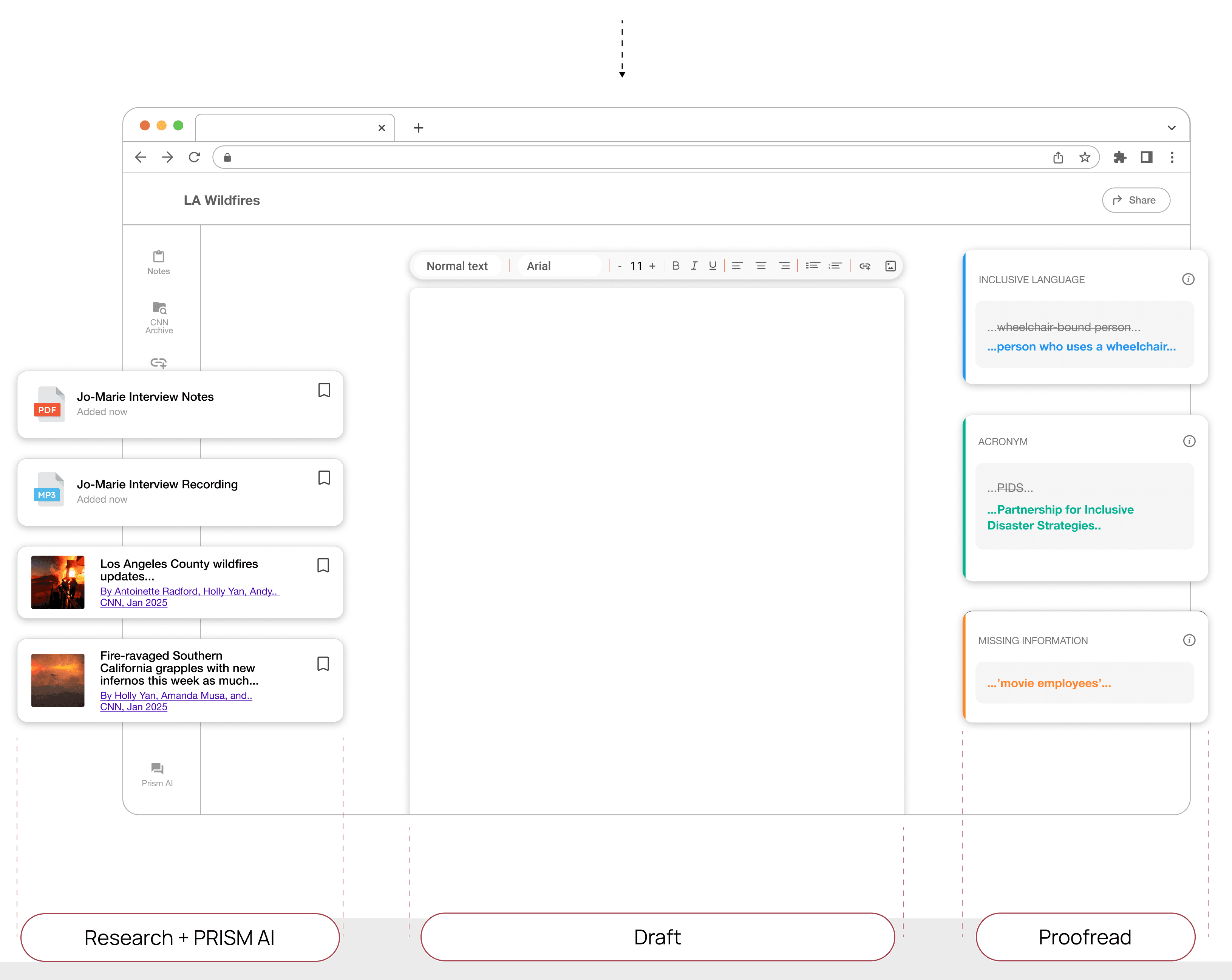
Left Panel - Research
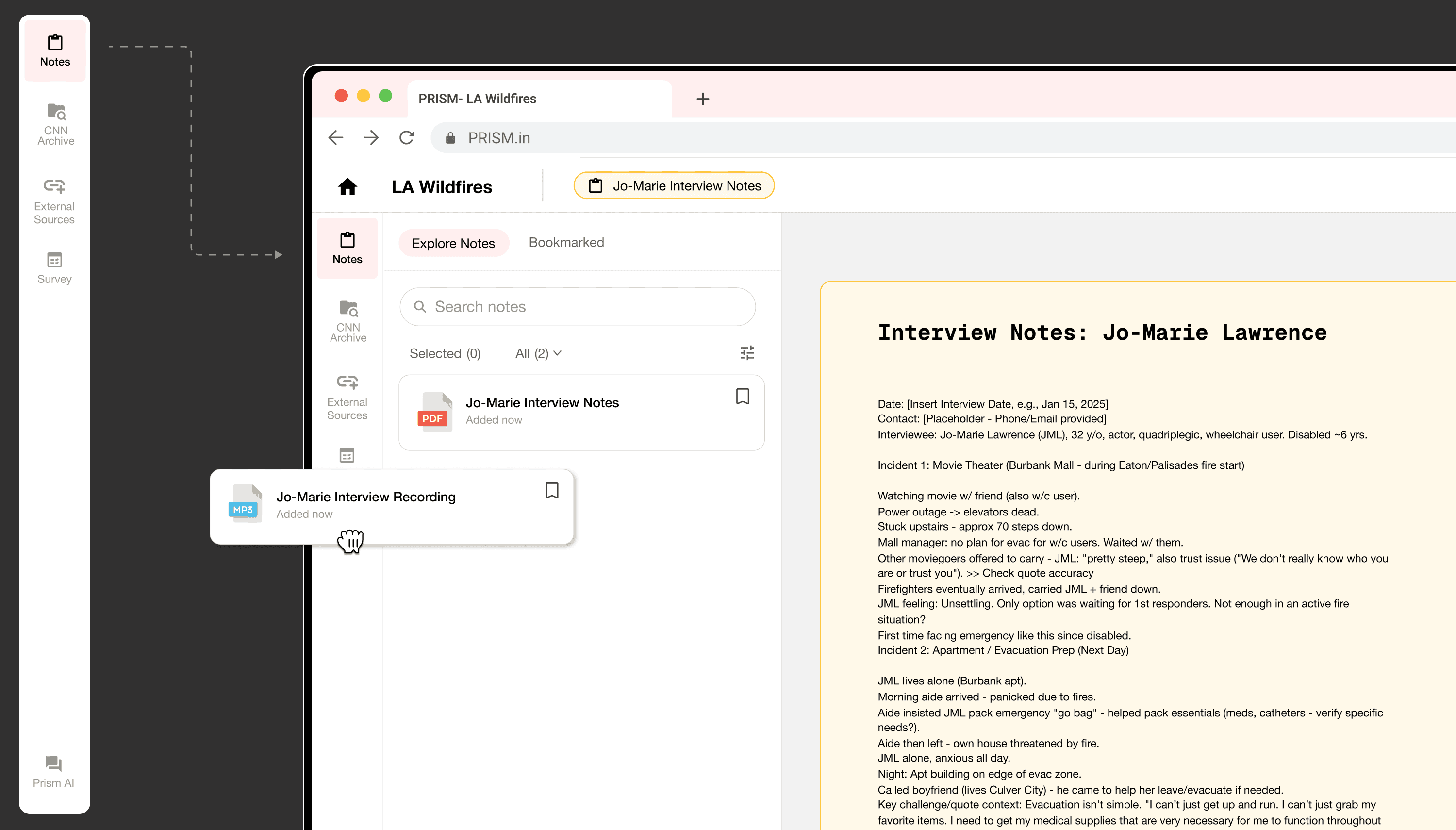
NOTES
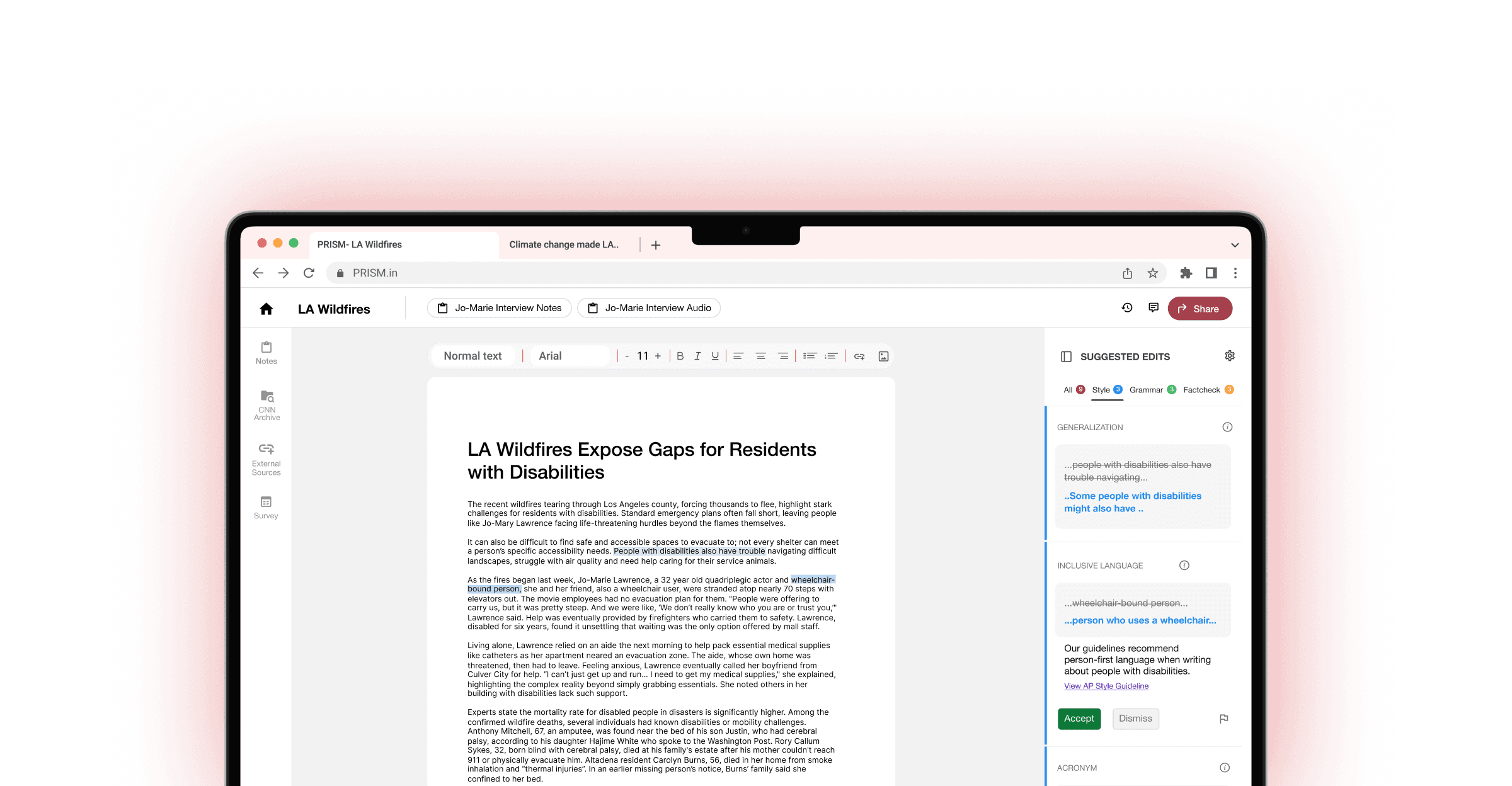
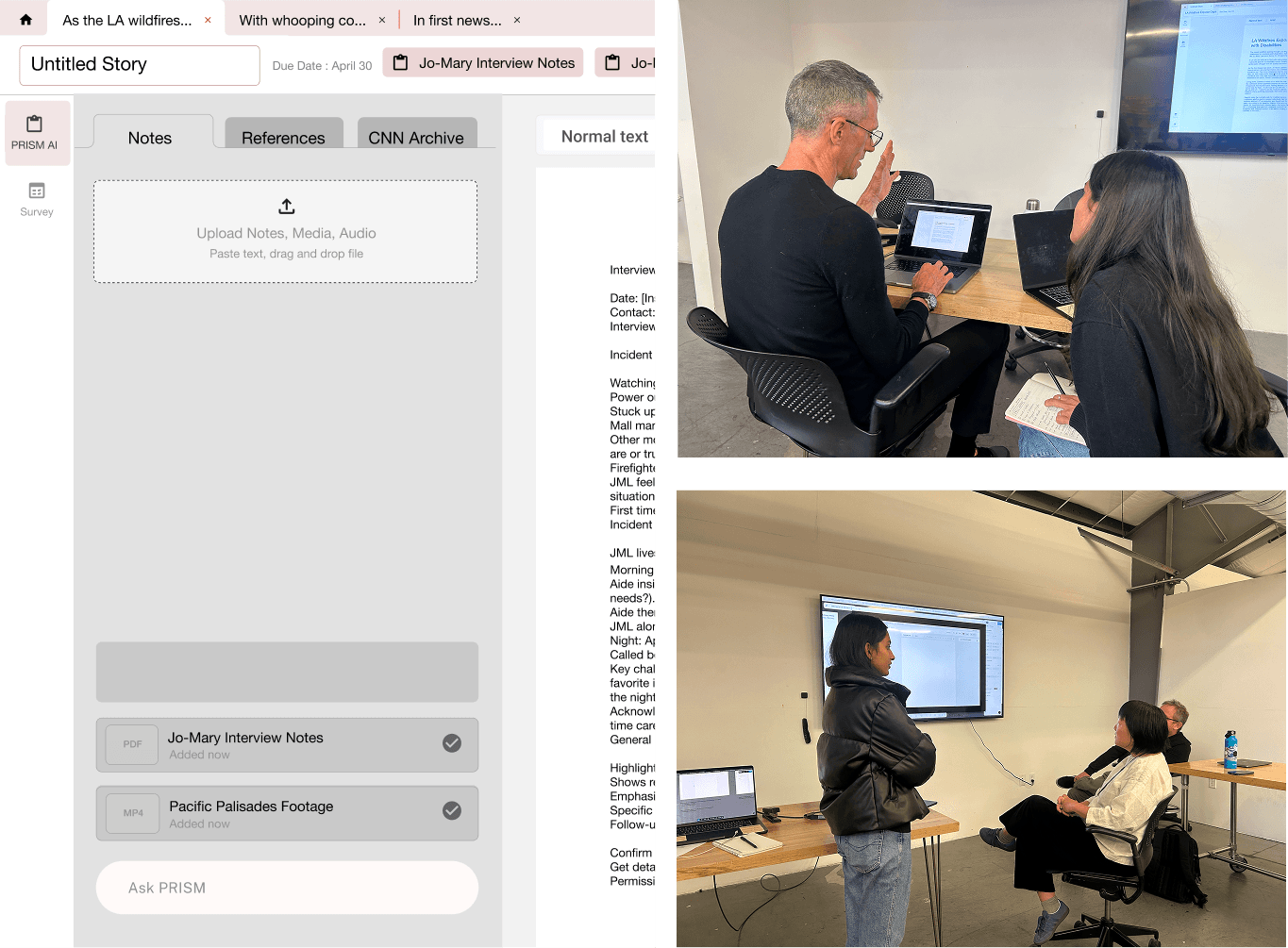
Dedicated space to store and link all notes — text, audio, or transcripts, so journalists can access and use them easily while writing.
CNN Archives and External Sources
Through CNN Archive journalists can quickly access CNN’s past articles, saving research time thus adding credible context when writing on a specific topic.
External sources also act as an extended data lake for quick references, it open up in a web tab in the top panel ensuring every resource stays within reach while writing.
Left Panel - PRISM AI
This Conversational AI feature lets journalists ask targeted questions within their research, pulling quotes or summaries instantly. It is designed to keep AI support under the journalist’s control, replacing constant pop-ups with intentional, task-driven assistance.
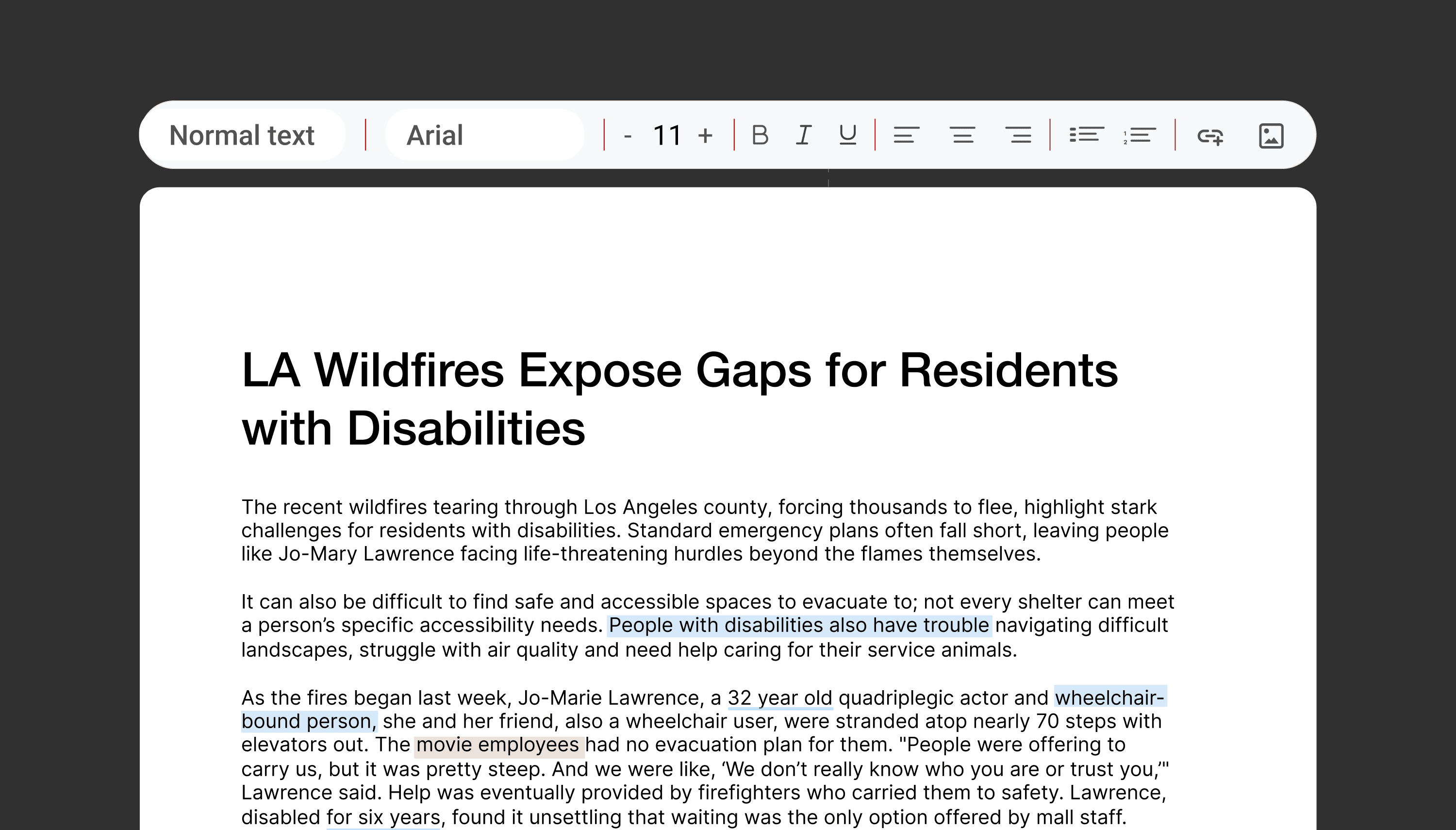
Centre Panel - Drafting a story
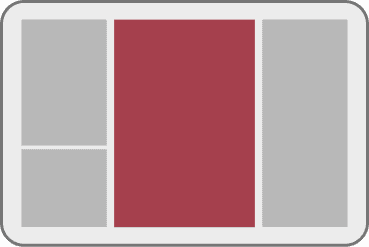
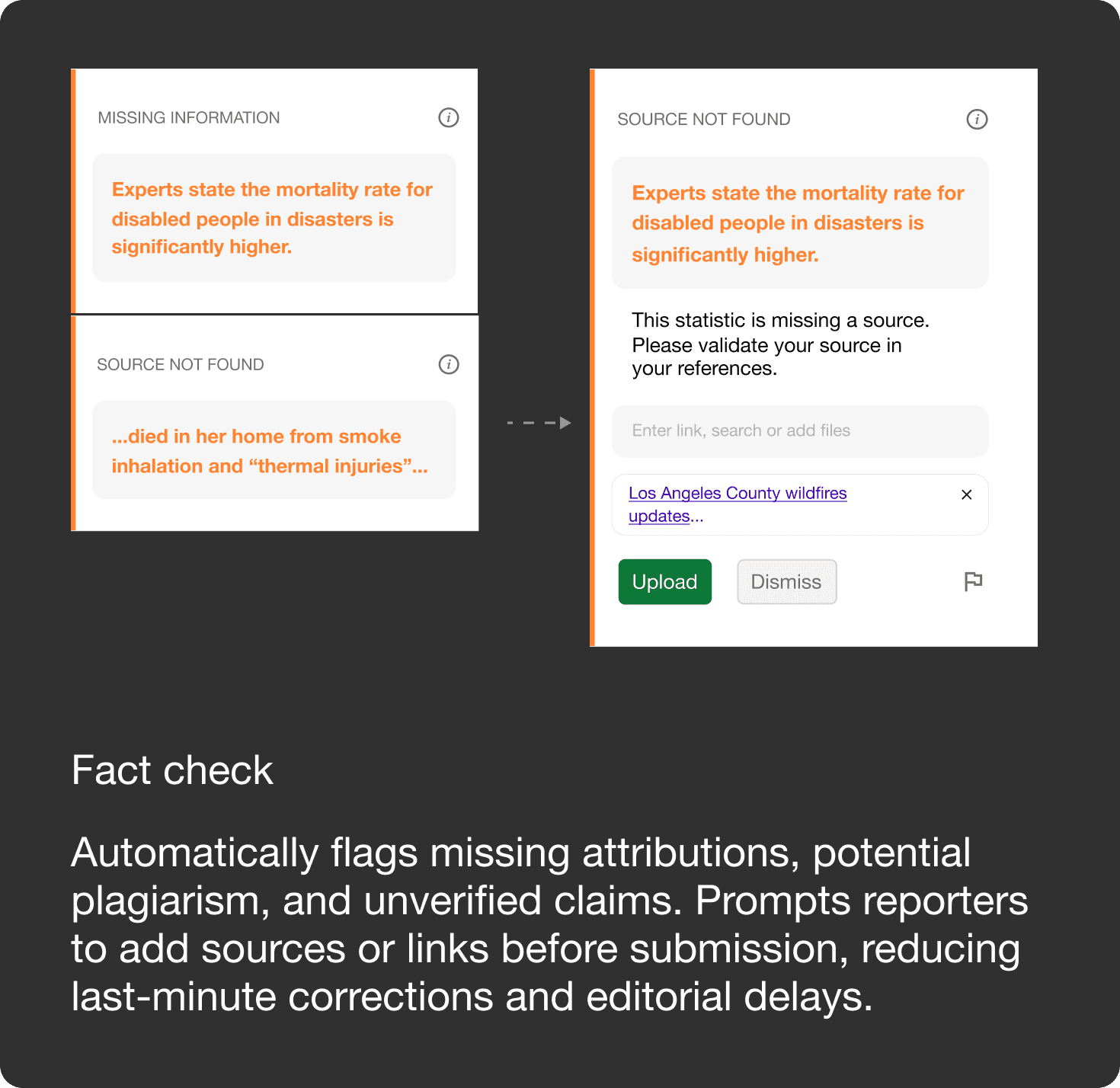
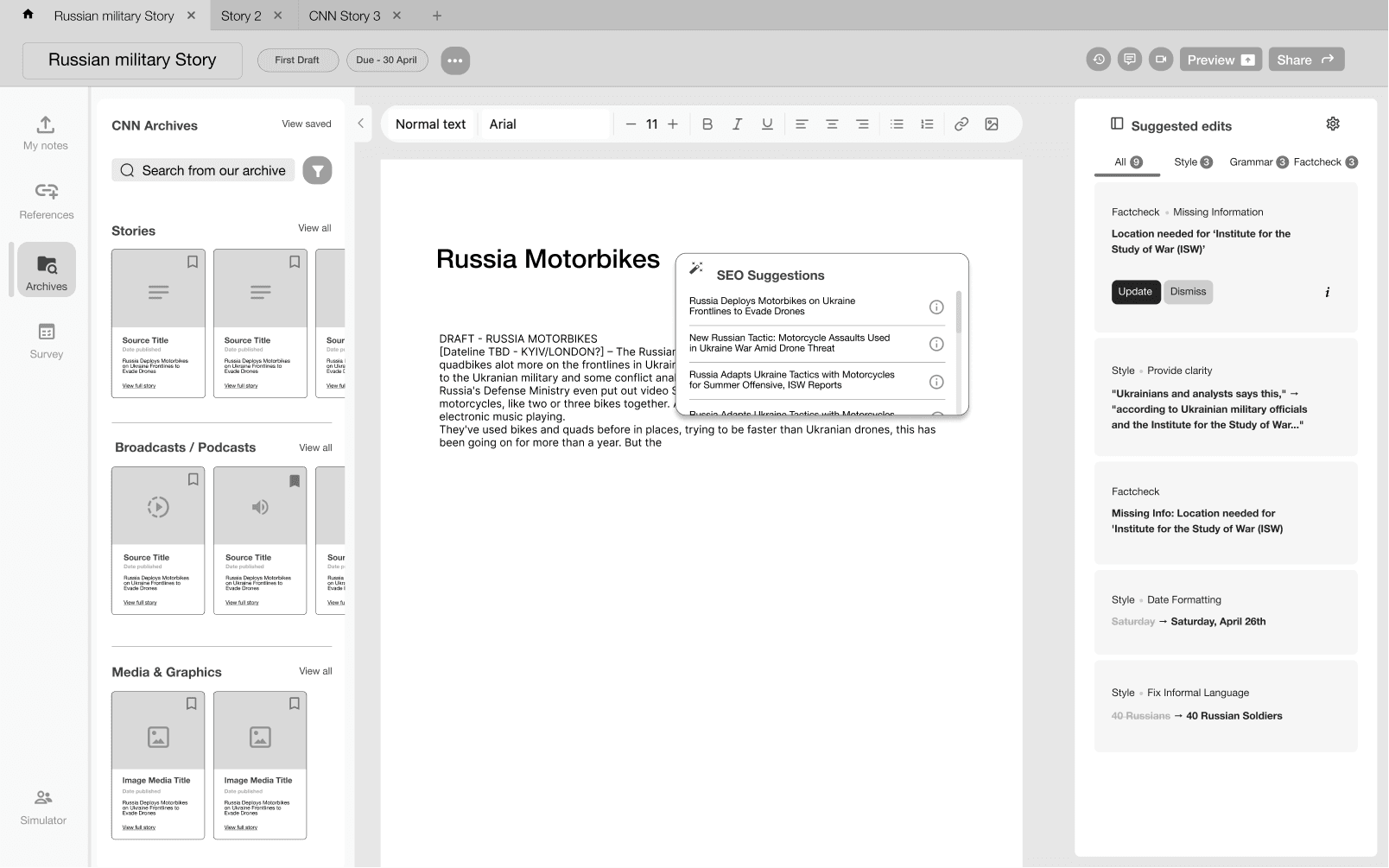
A familiar, focused writing space where journalists can drag and drop quotes from notes or transcripts, with inline prompts that flag missing attributions or citations in real time.
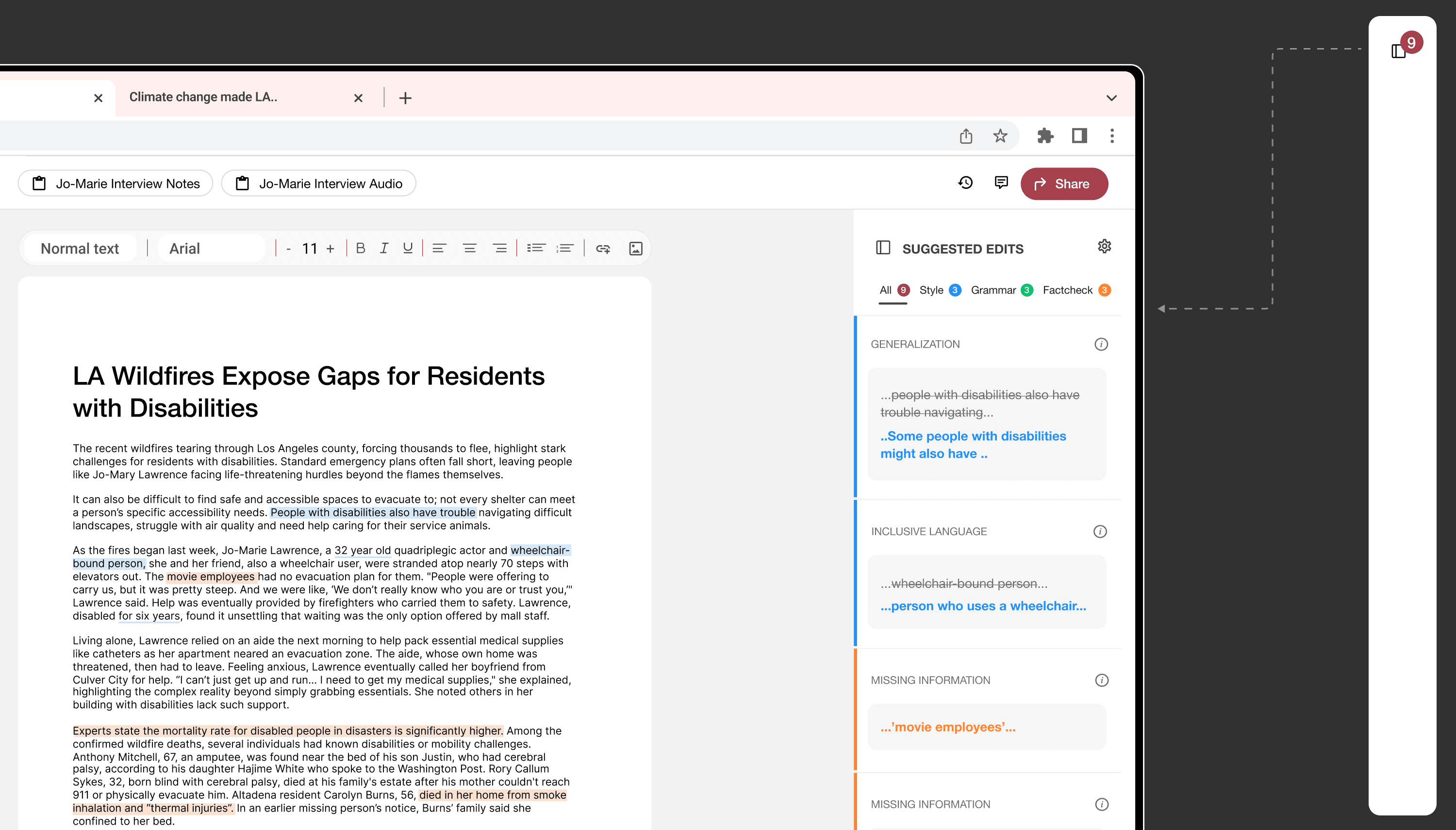
Right Panel - Suggestions

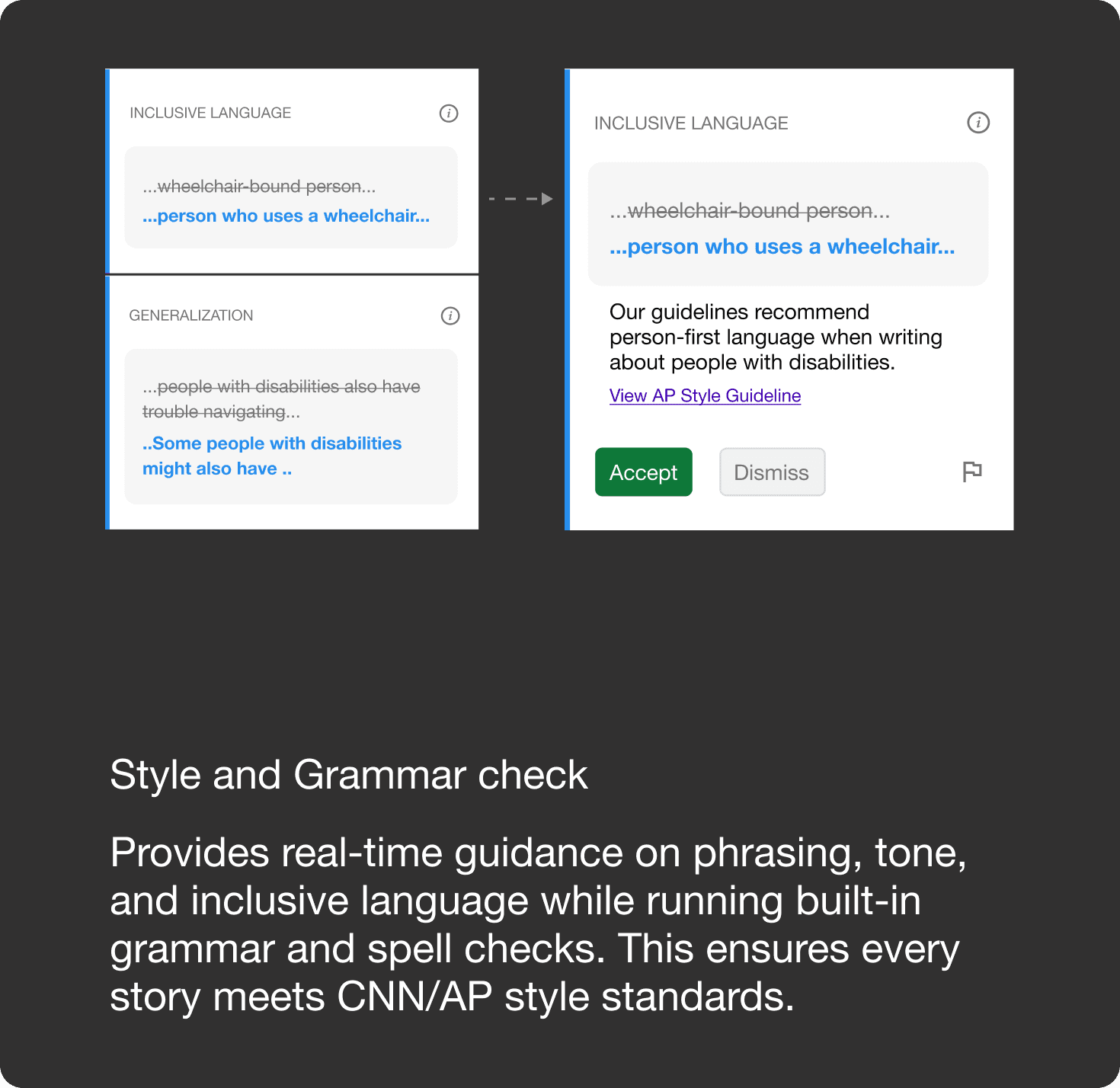
The right panel acts as an intelligent editor — guiding journalists through style, accuracy, and grammar checks without disrupting their flow. Each suggestion offers Resolve, Dismiss, or Verify options, mirroring real newsroom workflows and helping reporters publish polished stories under tight deadlines.
THE IMPACT
Outcome and Real-World Value



Wide ranging benefits for CNN
Improving the journalist’s workflow creates benefits that cascade across the entire newsroom. By reducing friction at the reporting and drafting stage, editors spend less time correcting avoidable issues, stories move through the pipeline faster, and readers receive clearer, more credible information.
What begins as a shift in individual efficiency becomes a systemic gain—strengthening collaboration, elevating story quality, and deepening the audience’s trust in CNN’s reporting.
BEHIND THE SCREENS
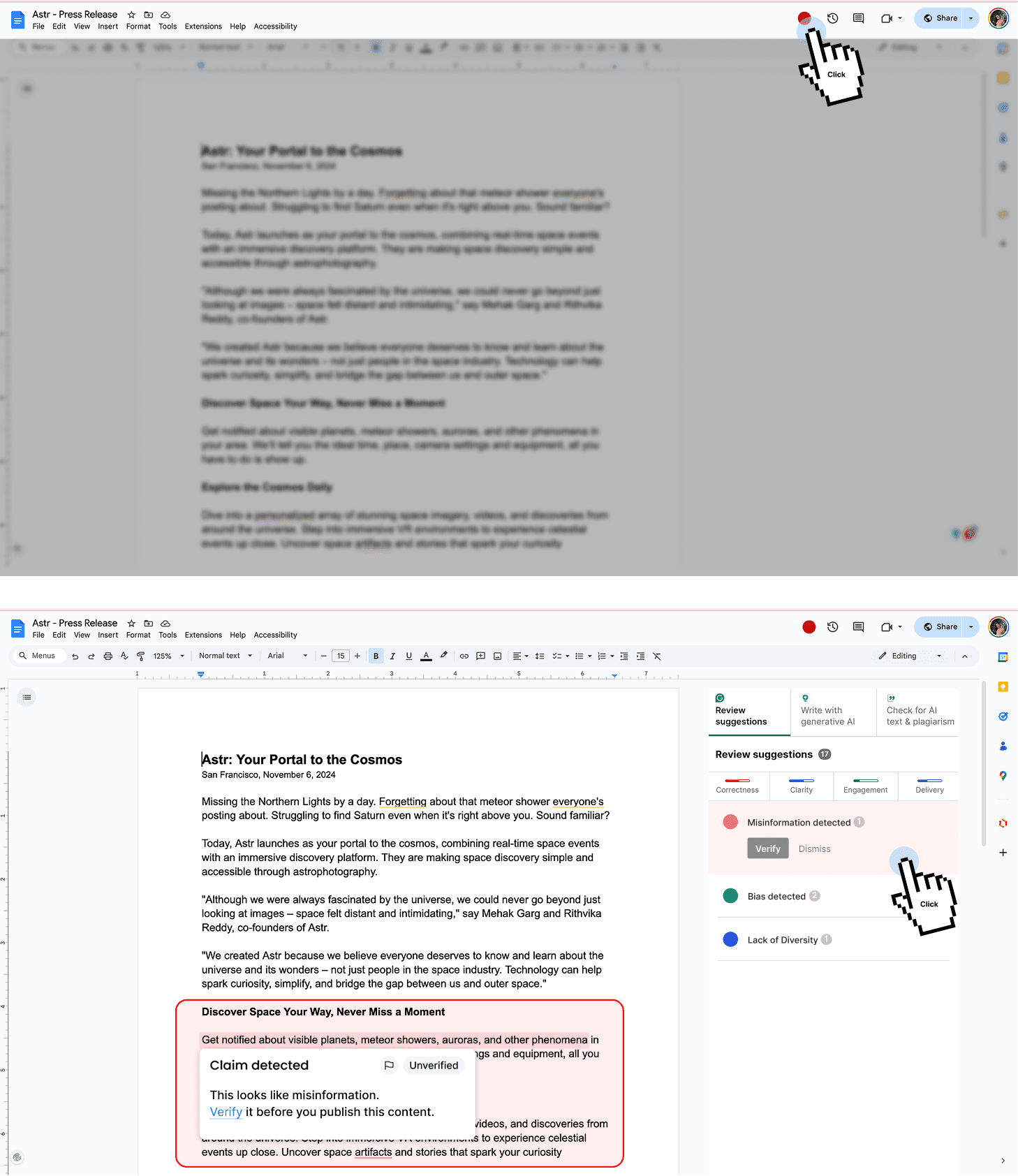
We went through multiple rounds of design directions, wireframes, visual renditions and testing out flows to narrow down on what works best
FROM
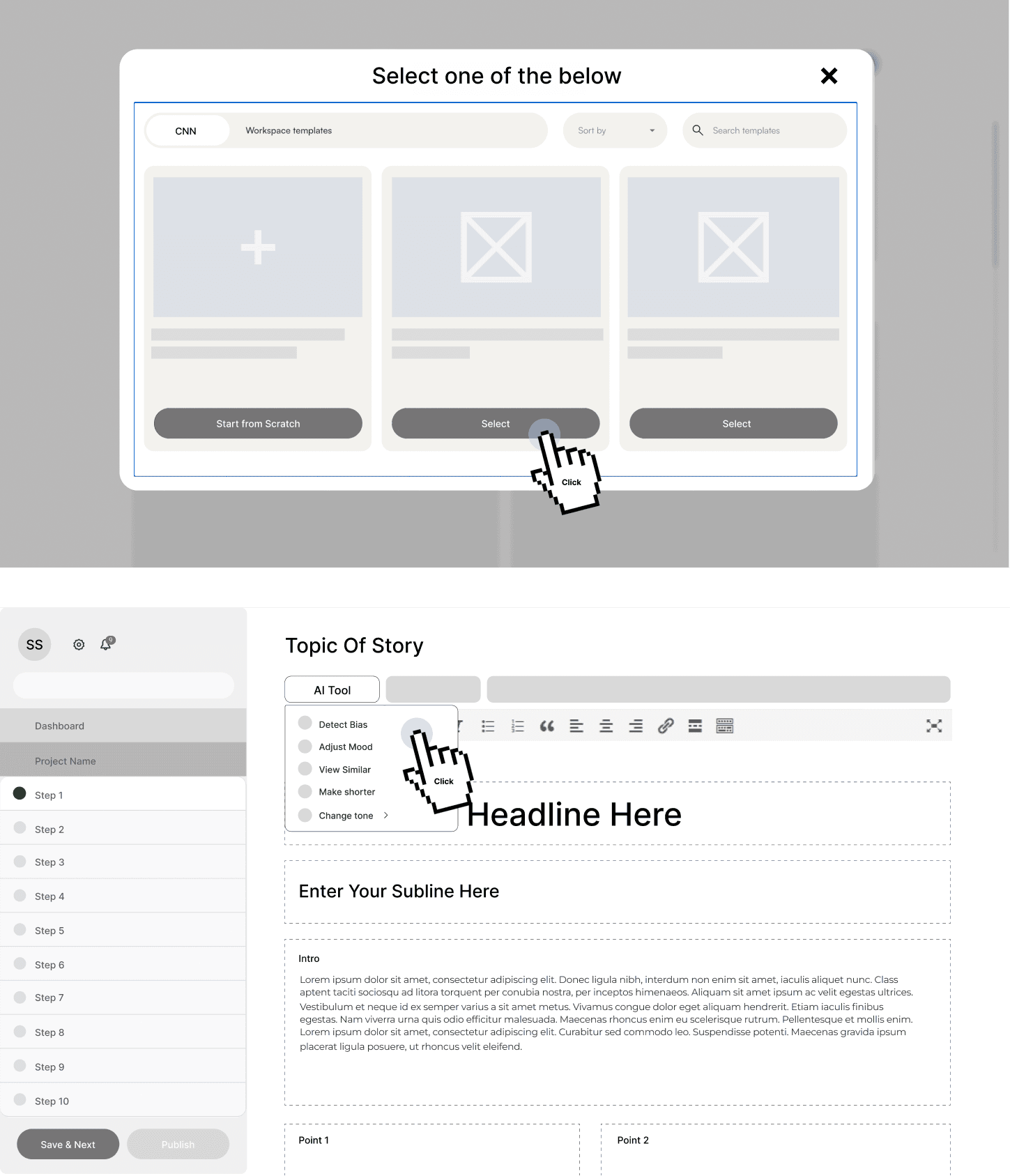
Plugin concept
TO
Worktool concept
OUR DESIGN PROCESS
From wireframes to final screens
Usability testing informed our wireframes and led to the three-panel layout, keeping all essentials in view and reducing tab-switching.
My key learnings & takeaways
Iteration is everything
Each round of feedback revealed new workflow needs we hadn’t anticipated. Testing early and often helped us refine the layout, reduce friction, and build a tool that actually fits how journalists work under pressure.
Harm mitigation matters
Designing with AI required us to think about bias and error. We kept suggestions optional, explainable, and easy to verify so journalists stayed in control and editorial integrity was never compromised.
Stakeholders define adoption
Reporters, editors, and fact-checkers all had different needs, and the tool only worked when all three groups saw value. Designing for the whole newsroom was key to making the solution usable.